Rescue Housing, Stabilization, and Enrichment

Rescue Housing, Stabilization, and Enrichment
How Cats in the City Rescue and FELINE TRANSITIONS® support cats through safe housing, behavioral observation, enrichment, and step-by-step stabilization.
A Rescue Environment Built Like Clinical Boarding
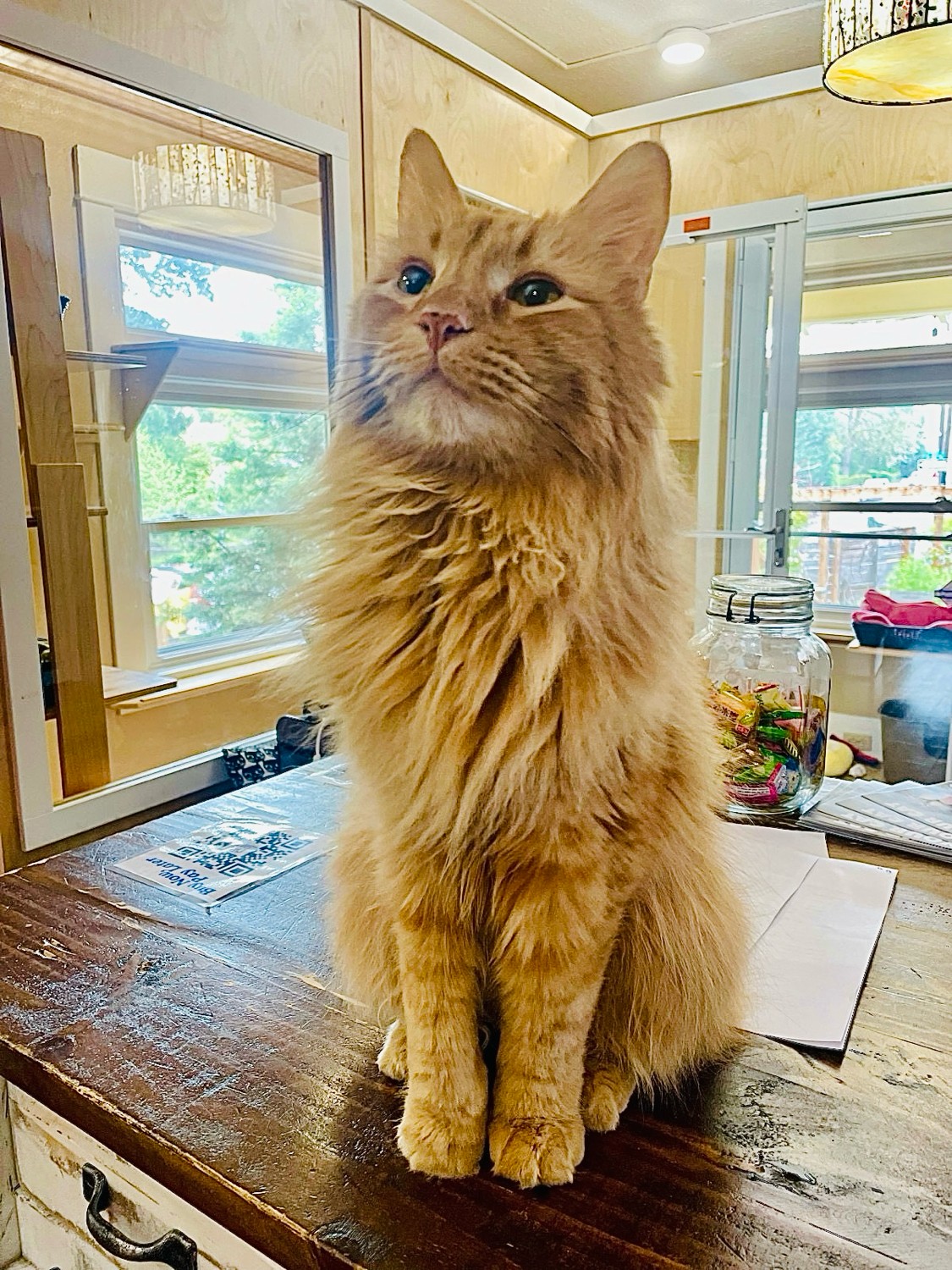
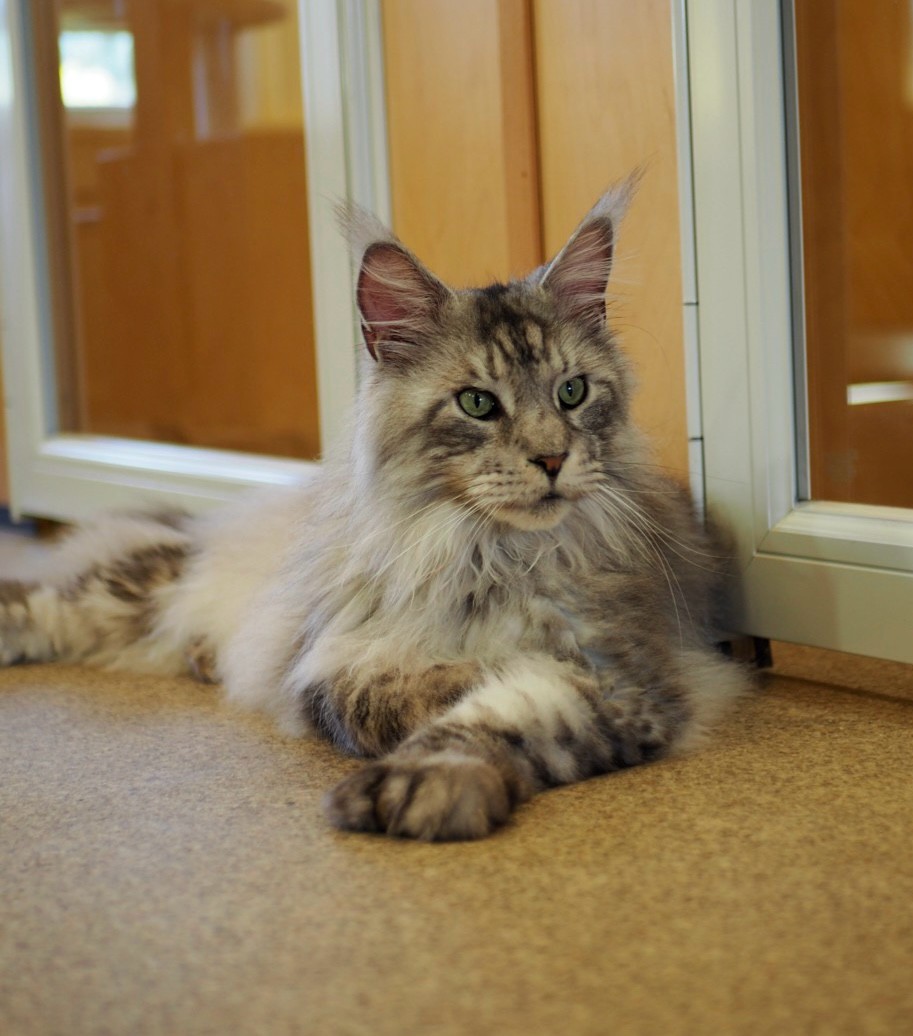
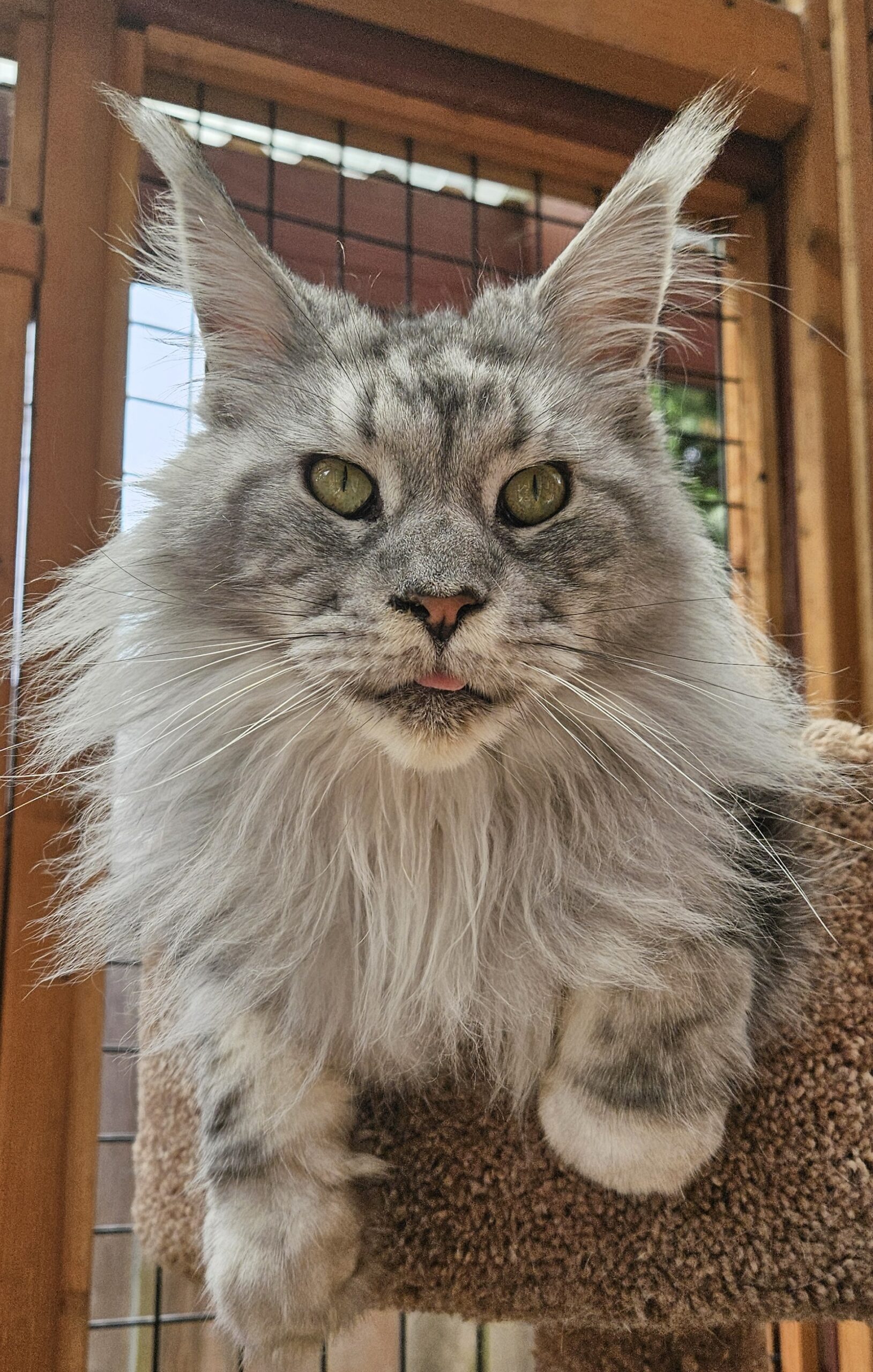
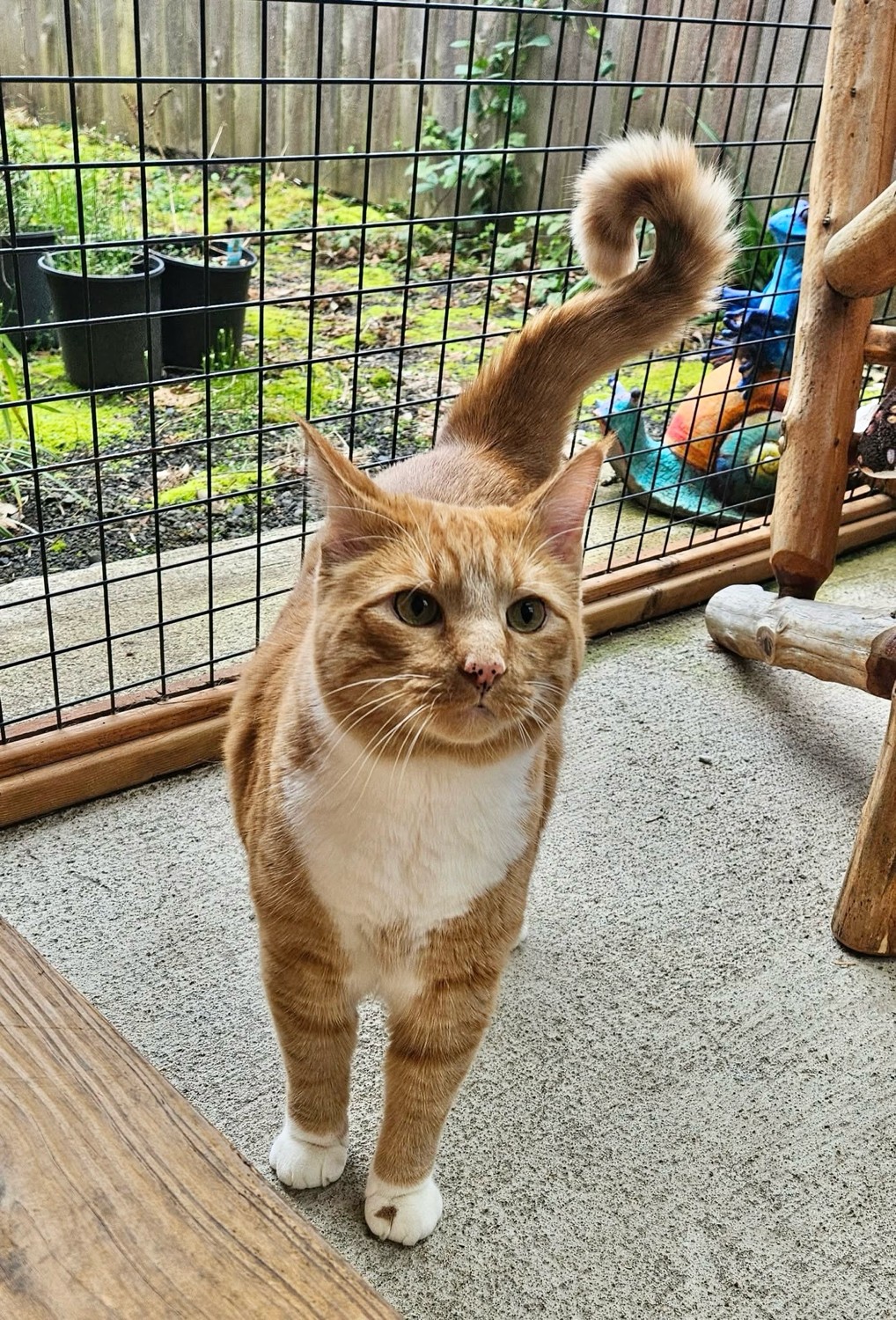
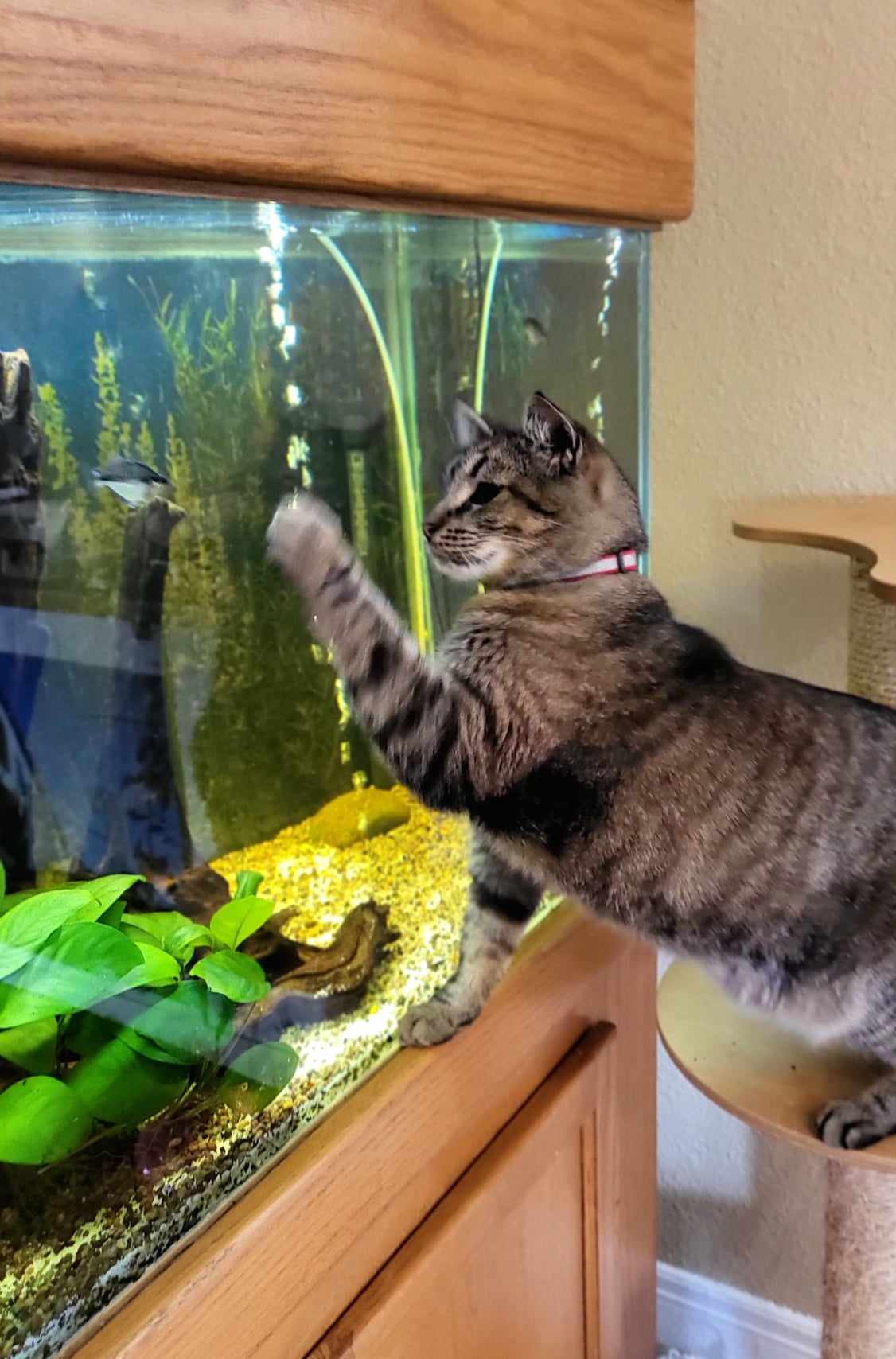
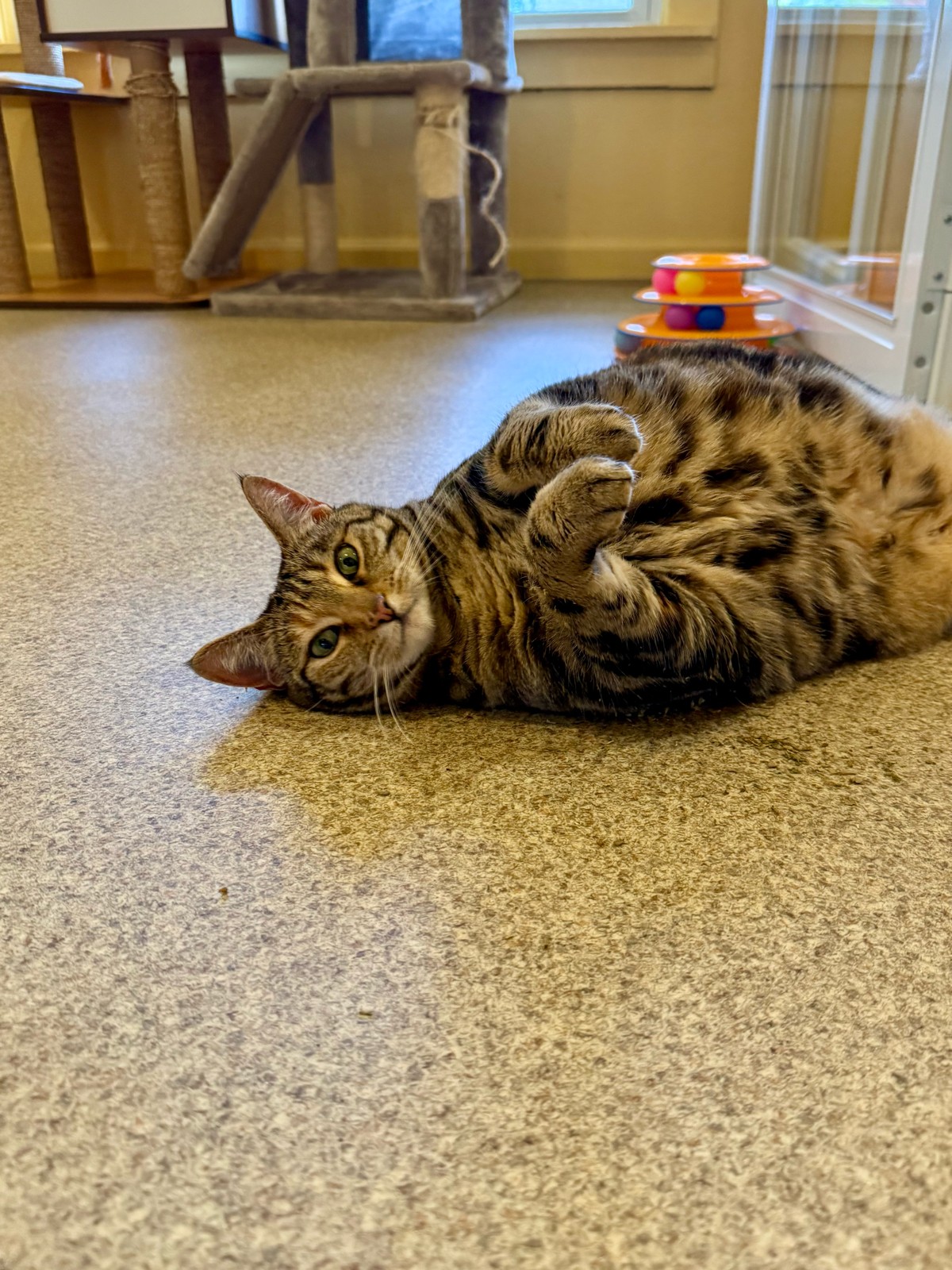
Cats in the City Rescue cats are housed within the same feline-only care environment used for traditional Cats in the City boarding clients. This means rescue cats are not placed in a separate, lower-resource setting. They receive access to spacious housing, enrichment areas, catios, common rooms, staff observation, and behavior-informed care as they stabilize.
Our model is designed for cats who may need more than temporary holding. Many cats entering rescue or structured rehab need time to decompress, rebuild trust, recover physically, adjust emotionally, and show us who they are once they feel safe.
|
|
|
|
Dedicated Housing and PICA-Safe Spaces
When a cat has a history of chewing, ingesting non-food items, eating fabric, shredding bedding, or displaying PICA-like behavior, their housing plan begins with a dedicated PICA-safe environment. This means the space is simplified and carefully controlled so we can reduce risk while learning the cat’s patterns.
A PICA-safe space may include washable surfaces, limited fabric exposure, carefully selected bedding, monitored toys, elevated resting areas, controlled feeding stations, and enrichment items chosen for safety rather than novelty. The goal is not deprivation. The goal is safe stabilization.
As the cat shows us what they can safely tolerate, we gradually expand enrichment, bedding options, play materials, room access, and social interaction.
Related Support Pathways
What Day-to-Day Life Looks Like
Each cat’s daily routine is individualized, but most rescue and rehab cats receive a predictable rhythm of feeding, cleaning, observation, enrichment, social interaction, and rest. Predictability is especially important for cats who arrive stressed, fearful, medically complex, overstimulated, under-socialized, or behaviorally dysregulated.
Safe HousingDedicated room or suite setup based on medical, behavioral, and environmental needs. |
ObservationStaff monitor appetite, litter box use, hiding, approach behavior, play, stress signs, and comfort. |
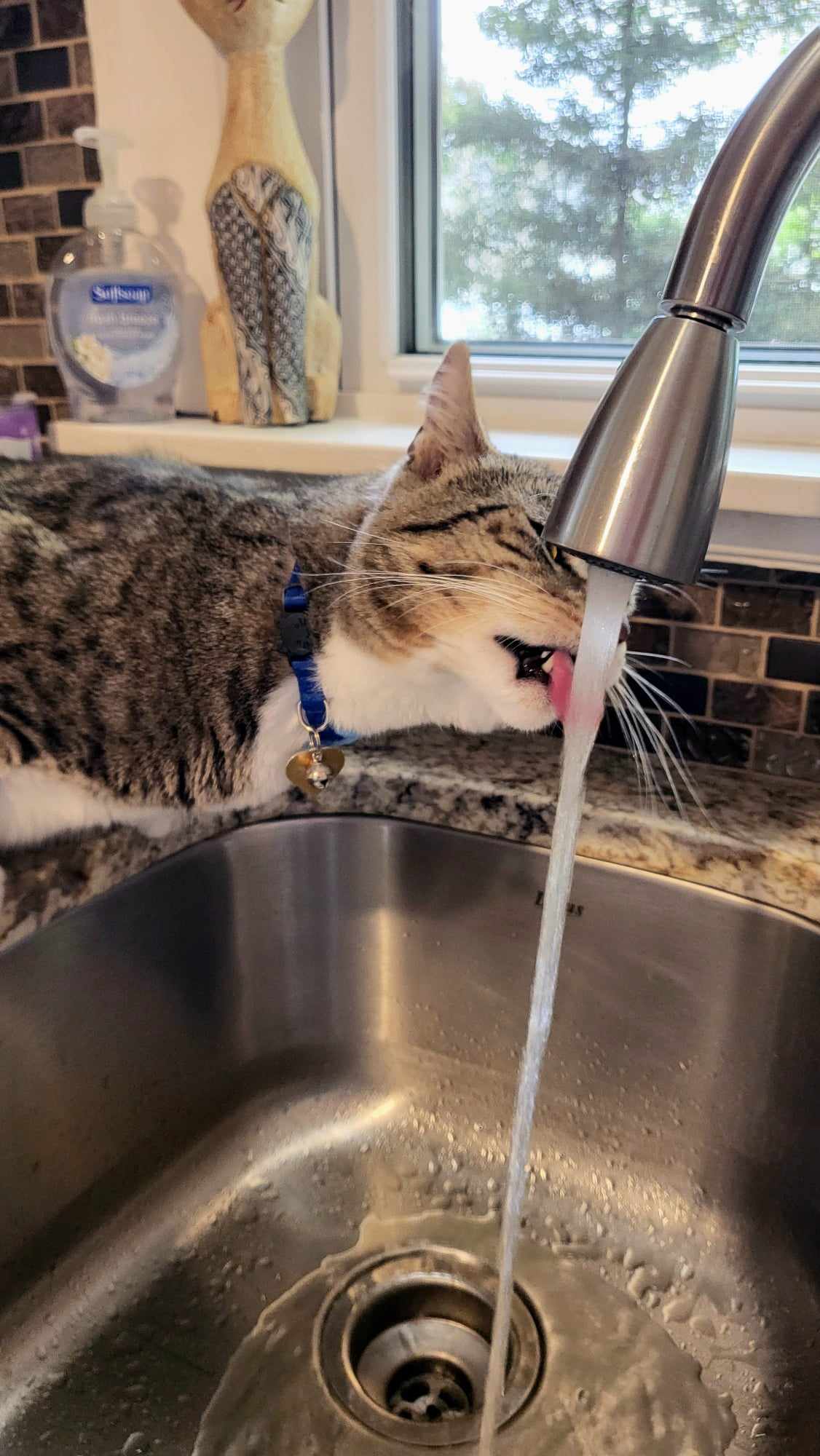
EnrichmentToys, scratchers, climbing, window time, scent work, food puzzles, catio access, or quiet companionship as appropriate. |
Human ConnectionInteraction is paced to the cat, from quiet presence to play, brushing, lap time, or supervised exploration. |
How Space and Enrichment Change Over Time
Stage 1: Arrival and Decompression
During the first stage, the priority is safety, predictability, and low-pressure observation. The cat may remain in a dedicated room or PICA-safe space while staff assess appetite, litter habits, sleep patterns, stress responses, hiding behavior, and tolerance for human presence.
Stage 2: Stabilization
Once the cat begins showing reliable eating, elimination, rest, and reduced stress behaviors, enrichment may expand. This may include additional resting surfaces, supervised toys, brushing, short social visits, food-based engagement, or increased visual access to the environment.
Structured Rehab Programs
Rehab Programs for Cats
Fearful and Reactive Cat Support
Litter Box Stabilization Program
Medication Habituation Program
Insulin Support for Diabetic Cats
Boarding for Medication Training
Stage 3: Confidence Building
As confidence improves, cats may receive supervised time in larger rooms, common areas, catios, climbing spaces, or staff-supported exploration. For some cats, this stage includes play therapy, socialization, lap time, or gradual exposure to household-style activity.
Stage 4: Placement Readiness
When a cat is approaching adoption, foster placement, or return-home planning, we use their observed behavior to make practical recommendations. This may include ideal home type, safe enrichment options, handling preferences, medical considerations, household restrictions, or transition pacing.
|
|

|
|
How We Decide What Is Safe and Appropriate
We do not use a one-size-fits-all housing model. Each cat is assessed through daily observation, staff discussion, behavior tracking, and practical risk evaluation. Safety decisions are based on what the cat is actually showing us, not simply what we hope they are ready for.
- Is the cat eating reliably?
- Is the cat using the litter box appropriately?
- Is the cat resting, hiding, pacing, vocalizing, or escalating?
- Does the cat chew, shred, ingest, or fixate on unsafe materials?
- Does enrichment calm the cat or increase dysregulation?
- Does the cat seek interaction, avoid interaction, or become overstimulated?
- Can the cat safely access climbing, catios, shared spaces, or common areas?
- Does the cat need medical monitoring, medication support, or environmental restriction?
Clinical-Grade Facility Features
Our rescue and rehab model is supported by the same infrastructure used across Cats in the City’s feline care programs.
Medical-Grade FlooringDurable, cleanable flooring supports sanitation, odor control, and safe daily care. |
HVAC Air CleaningREME HALO air cleaning supports air quality throughout the feline care environment. |
High Staff-to-Cat RatioFrequent observation allows subtle changes in behavior, appetite, and comfort to be noticed early. |
Behaviorists on StaffBehavior-informed care helps us distinguish fear, shutdown, overstimulation, pain signals, and emerging confidence. |
Boarding-Level HousingRescue cats receive access to the same housing standards and enrichment spaces as traditional boarding clients. |
Feline-Only DesignRooms, pathways, enrichment zones, and handling practices are designed specifically around cats. |

Structured Rehab and FELINE TRANSITIONS®
For some cats, the goal is adoption. For others, the goal is stabilization before a return home, foster placement, or long-term planning decision. Structured Rehab and FELINE TRANSITIONS® allow us to assess what a cat truly needs before assuming that surrender, adoption, or a single intervention is the only path forward.
When Rehab Is Successful
Many cats who enter Structured Rehab ultimately remain with their original families. Others transition into carefully matched adoptive homes.
Guardian Stabilization Program
Cat Rehoming Without Shelter Surrender
Owner-Assisted Cat Rehoming
Transition Support for Cats
Explore the Full Rescue Program
Learn about rescue, rehabilitation, adoption, surrender diversion, and structured rehoming services.
Support Specialized Rescue Work
Some cats need more than placement. They may need medical support, behavioral recovery, transport, senior care, special-needs support, or surrender diversion before a stable outcome is possible.
Support Cat Surrender Diversion
Cat Medical Support Fund
Support Senior and Special Needs Cats
Cat Transport and Relocation Fund
Support Cat Behavioral Recovery
Questions About a Cat in Our Program?
We are happy to discuss a cat’s housing plan, enrichment level, stabilization progress, safety considerations, and transition goals in more detail.
Related Articles
Ways to Support Cats in the City Rescue
Ways to Support Cats in the City Rescue Cats in the City Rescue is built around a different kind of rescue model. Instead of focusing only on intake, adoption, or emergency placement, our work centers on stabilizing the system around each cat. That ...PICA-Safe Housing for Cats in Structured Rehab
PICA-Safe Housing for Cats in Structured Rehab Creating Safety Without Creating Isolation For guardians of cats with PICA, one concern often outweighs every other question: "What if my cat eats something that will hurt them?" We understand that ...Structured Re-homing for Cats Who Need More Than Simple Placement
Structured Re-homing for Cats Who Need More Than Simple Placement Some cats are safe, but not stable. They may be grieving, overgrooming, shut down, medically sensitive, socially mismatched, behaviorally overwhelmed, or struggling after a major ...FELINE TRANSITIONS® Rehabilitation Program | Mission Driven Activity
FELINE TRANSITIONS® Rehabilitation Program | Mission Driven Activity Keeping Cats Home When Possible. Creating Better Outcomes When Not. Cats in the City Rescue believes that many cats facing surrender are not suffering from a lack of love. They are ...FELINE TRANSITIONS®: Outcomes From 28 Structured Rehoming Cases With Zero Returns and Zero Behavioral Euthanasia
FELINE TRANSITIONS®: Outcomes From 28 Structured Rehoming Cases With Zero Returns and Zero Behavioral Euthanasia Shawn Lioyryan, MSW Cats in the City Rescue FELINE TRANSITIONS® Abstract Objectives To describe the early outcomes of the FELINE ...